Commercial Asphalt Repair vs. Full Replacement: What to Know
People searching for commercial asphalt repair often want to fix surface damage without full replacement, and local contractors can provide expert solutions to restore and extend pavement life.
If you own a commercial property, understanding the differences between asphalt repair and full replacement can be crucial for maintaining a safe and functional parking lot or driveway. Many property owners in the area find themselves weighing options to extend the lifespan of their asphalt surfaces while managing costs and minimizing disruptions. This page is designed to help you explore the key factors that influence whether commercial asphalt repair or full replacement is the right choice, providing practical insights based on local contractor expertise.
As you read on, you'll discover how local service providers can tailor solutions to your property's specific needs, whether that involves targeted repairs or more extensive work. Knowing the advantages and limitations of each approach can help property owners make informed decisions that preserve the value and safety of their asphalt surfaces. Keep exploring to learn how professional asphalt services in the area can support your property’s maintenance and longevity.
- Crack repairs - when minor surface damage is present and can be addressed with sealing, local contractors typically perform targeted patching to extend pavement life.
- Pothole repairs - for isolated potholes caused by water infiltration or freeze-thaw cycles, service providers often use patching methods to restore surface integrity.
- Surface leveling - when uneven areas result from minor subsidence or deterioration, local pros may apply asphalt overlays or patching to improve surface smoothness.
- Crack filling - for small cracks that do not compromise the pavement structure, local contractors often use filling techniques to prevent further damage.
- Surface sealing - when the asphalt surface shows signs of aging but remains structurally sound, sealing services can help protect against weathering, with pros applying protective coatings.
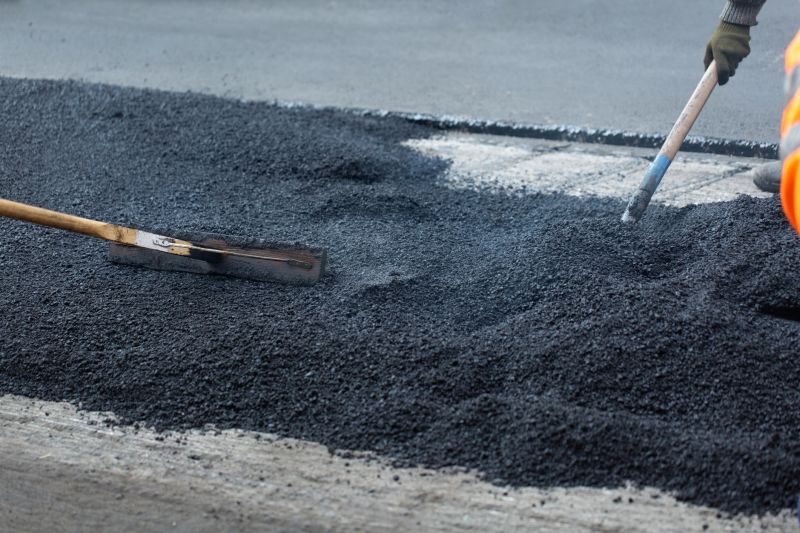
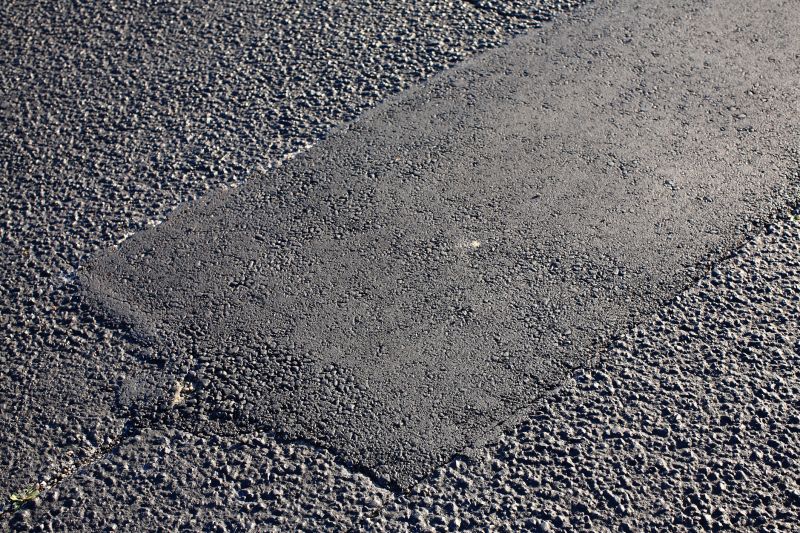
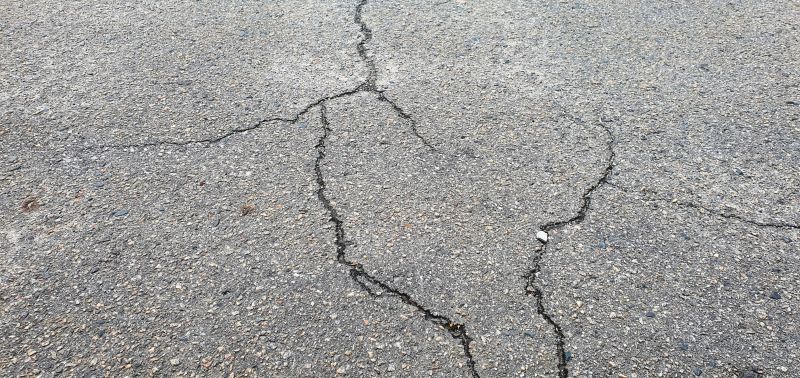
When searching for information about commercial asphalt repair vs. full replacement, most property owners are trying to understand which approach best suits their specific needs. This topic often comes up in the context of maintaining or improving parking lots, driveways, or other paved surfaces on commercial properties like retail centers, office complexes, or industrial facilities. People are typically concerned with issues such as surface deterioration, cracks, potholes, or surface unevenness, and want to know whether a simple repair can restore the asphalt or if a complete replacement is necessary. The goal is to find a solution that minimizes disruption while providing a durable, long-lasting surface, which is where local service providers specializing in asphalt work can be a valuable resource.
The decision between commercial asphalt repair and full replacement relates closely to the condition of the existing pavement and the future plans for the property. Repair options generally involve fixing specific problem areas, such as patching potholes, sealing cracks, or resurfacing worn sections. These methods are suitable when the overall structure remains sound but has localized damage. On the other hand, full replacement is considered when the asphalt has extensive damage, significant structural issues, or when the surface no longer supports the functional or aesthetic needs of the property. Property owners often consider their long-term plans for the site, including whether they anticipate ongoing traffic or the need for a surface that can handle heavy loads, which influences the choice between repair and replacement.
Properties that typically come into focus when discussing commercial asphalt repair vs. full replacement include parking lots for retail stores, office parks, apartment complexes, and industrial facilities. These surfaces experience frequent use and are exposed to the elements, which can accelerate deterioration if not properly maintained. For property managers and business owners, understanding the current state of their asphalt is essential for making informed decisions. Local contractors who specialize in asphalt services can assess the condition of the pavement and recommend whether targeted repairs will suffice or if a complete overhaul is needed. This guidance helps ensure that investments are appropriate to the property's needs, balancing cost considerations with the goal of a durable, functional surface.
In practical terms, understanding the difference between commercial asphalt repair and full replacement helps property owners plan their maintenance strategies effectively. Repair services can extend the lifespan of existing asphalt, often at a lower cost and with less disruption. Conversely, full replacement might be the best choice when the surface has reached a point where repairs no longer provide a reliable or safe solution. Local asphalt contractors are equipped to evaluate the specific conditions of each property and advise on the most suitable approach. Whether a simple patch or a complete overhaul, these service providers play a key role in helping property owners maintain safe, attractive, and functional paved surfaces that meet their operational needs.
Pothole Repair - this project involves fixing surface damage using similar tools and planning as asphalt repair, making it relevant for those considering repair versus full replacement.
Parking Lot Resurfacing - resurfacing projects require surface assessment and preparation skills comparable to commercial asphalt repair, often handled by the same local contractors.
Crack Sealing and Filling - sealing cracks is a preventative maintenance task that shares techniques and planning considerations with asphalt patching and repair services.
Driveway Resurfacing - local service providers performing driveway upgrades often utilize similar repair methods and planning strategies as commercial asphalt repair projects.
Asphalt Sealcoating - applying sealcoats involves surface preparation and material application skills that are also used in asphalt repair and full replacement projects.
Sidewalk and Curb Repair - fixing or replacing concrete features requires planning and skill sets comparable to asphalt repair, often handled by the same local contractors.
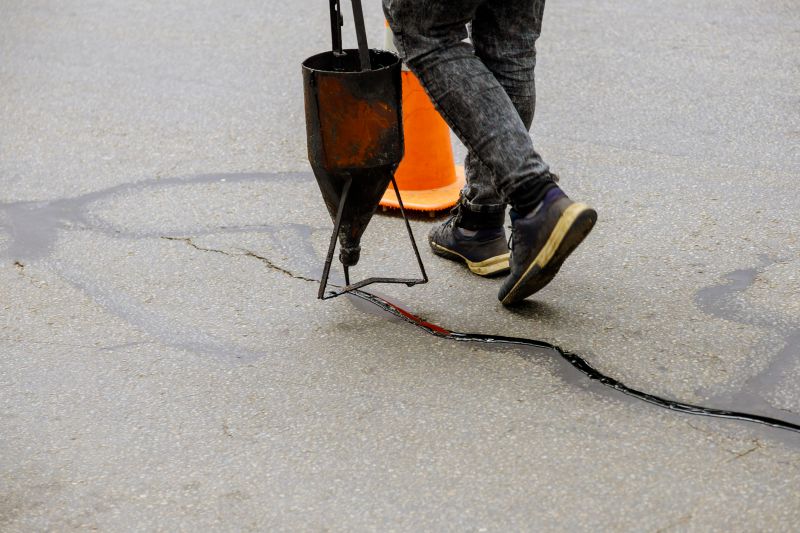
When evaluating contractors for commercial asphalt repair versus full replacement, it’s important to consider their experience with similar projects. Local contractors who have handled repairs on properties comparable in size and condition can provide insights into the most effective solutions for your specific needs. An experienced service provider will understand the nuances of asphalt repair, such as patching, crack sealing, and surface leveling, helping ensure the work is performed properly and efficiently. This familiarity can also indicate their ability to identify underlying issues early on, potentially saving time and money by recommending the most appropriate approach for your property.
Clear and detailed written expectations are essential when comparing local pros for asphalt services. A reputable contractor should be able to provide a comprehensive scope of work, outlining what the repair or replacement process involves, the materials used, and the expected outcomes. Having this information in writing helps prevent misunderstandings and ensures that both parties are aligned on project goals. It also allows for easier comparison between service providers, making it simpler to assess which contractor’s approach and communication style best suit your project requirements.
Reputable references and strong communication are key factors when choosing a local contractor for commercial asphalt repair. Service providers with a history of successful projects and positive feedback from previous clients can offer reassurance about their reliability and quality of work. Additionally, good communication throughout the project-such as prompt responses to questions and transparency about procedures-can make the process smoother and more predictable. When comparing options, it’s beneficial to inquire about references and observe how clearly and professionally the contractor communicates, as these elements often reflect their overall level of service and commitment to customer satisfaction.
Property owners often search for commercial asphalt repair vs. full replacement: what to know when they are planning practical projects around their homes and businesses. Local pros provide Commercial Asphalt Repair services for everyday jobs and straightforward project options.
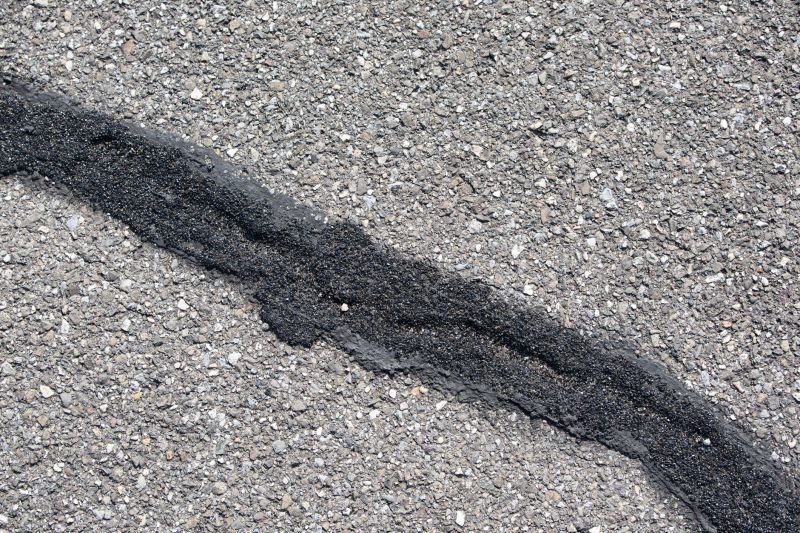
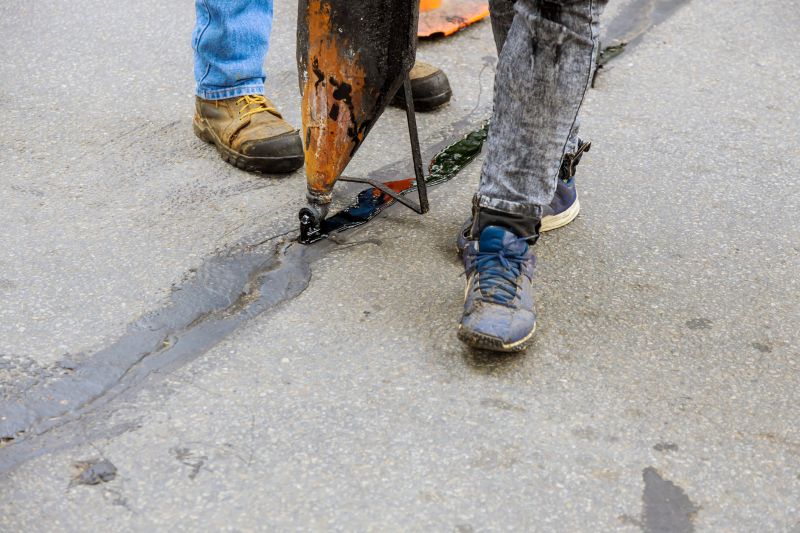
Understanding the differences between commercial asphalt repair and full replacement is a common concern for property owners managing parking lots, driveways, or other paved areas. When issues like cracks, potholes, or surface deterioration appear, many consider repair options that can extend the lifespan of existing asphalt. Local contractors specializing in asphalt services can assess the condition of the pavement and recommend repairs that address specific problems efficiently, often providing solutions that are less disruptive and more cost-effective than complete replacement.
In situations where damage is extensive or the pavement has reached the end of its service life, full replacement might be necessary. However, for minor to moderate issues, commercial asphalt repair services offered by local service providers can often restore the surface’s integrity without the need for tearing out and replacing the entire area. Property owners seeking practical, timely solutions typically turn to local pros who can evaluate their asphalt and suggest the most appropriate repair methods to keep their surfaces safe and functional.
What is commercial asphalt repair? Commercial asphalt repair involves fixing specific areas of damaged or deteriorated asphalt surfaces, such as cracks, potholes, or surface wear, to restore their functionality and appearance without replacing the entire surface.
When is full asphalt replacement necessary? Full replacement may be needed when the asphalt has extensive damage, such as widespread cracking, severe potholes, or structural issues that cannot be effectively repaired through patching or surface repairs.
How do local contractors decide between repair and replacement? Contractors assess the extent of damage, the age of the asphalt, and the level of deterioration to determine whether a repair will suffice or if a full replacement is more appropriate for long-term durability.
Can commercial asphalt repair extend the lifespan of an existing surface? Yes, targeted repairs can help prolong the life of asphalt surfaces by addressing specific issues early, preventing further deterioration, and maintaining safety and functionality.
What are the benefits of choosing repair services over full replacement? Repair services typically cost less, can be completed more quickly, and help preserve existing surfaces when damage is limited, making them a practical option for maintaining asphalt surfaces.
Assessing damage - Property owners can evaluate whether minor cracks and surface wear are suitable for asphalt repair services offered by local contractors.
Choosing repair options - Understanding when commercial asphalt repair is appropriate helps property owners decide if spot fixes will extend pavement life effectively.
Planning for full replacement - Recognizing signs that indicate the need for complete asphalt replacement allows for better project planning with local service providers.
Maintaining pavement condition - Regular inspections and timely repairs can prevent the need for full replacement, making ongoing maintenance a practical consideration.
If you are thinking about commercial asphalt repair vs. full replacement: what to know for a property, this guide is meant to help you understand this topic, the typical project types, and how different options might fit your plans.
When you are ready, you can use the quote form on this page to share a few details about your project. From there, local pros can review the basics and follow up with options that match what you have in mind.